
How Technology Supports Learning at Creative Learning Preschool Without Overuse
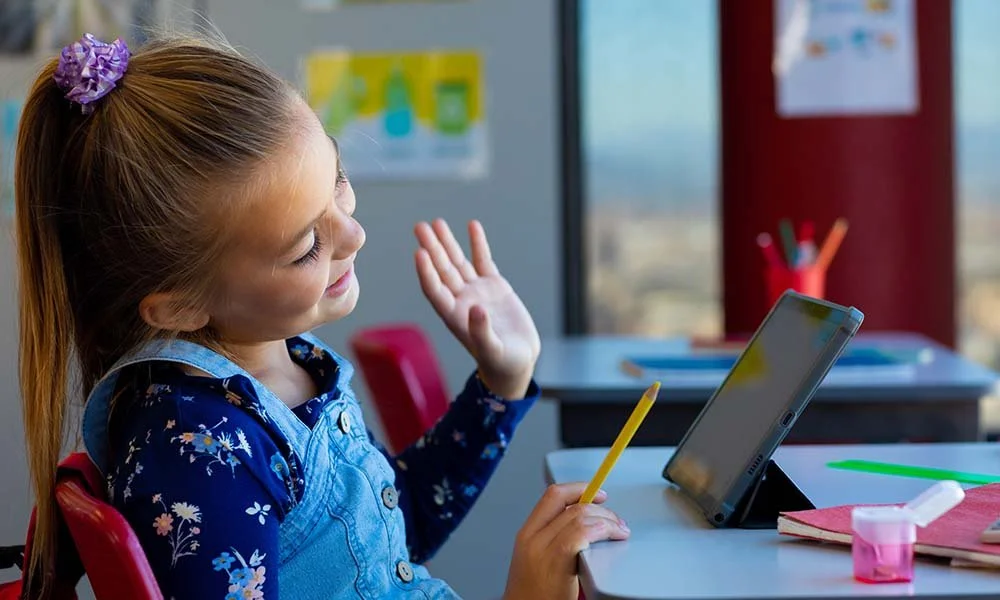
When you’re choosing a childcare or preschool option, one of the biggest questions you might ask is: How much technology is too much for my child’s development? You want assurance that your child benefits from digital tools rather than being distracted by them. At Creative Learning Preschool in North Ryde, we use technology preschool, balanced learning ryde in ways that support growth, not replace hands‑on experiences or play‑based exploration.
In this article, you’ll learn why balanced technology matters, how it supports learning without overuse, and how Creative Learning Preschool uses digital tools thoughtfully, always in service of your child’s development. If you’ve ever wondered whether preschool tech is a benefit or a burden, keep reading, and you’ll see that when done well, technology enriches rather than overshadows real learning.
What Does Balanced Technology in Early Learning Really Mean?
Everyone talks about technology in education, but what balanced technology looks like in a preschool matters, especially for younger children.
Balanced technology use means:
Technology complements learning.
It doesn’t replace play, social interaction, outdoor time, or creative thought.
It strengthens learning goals rather than becoming the focus.
Early childhood experts stress that technology should support meaningful interaction and not just act as a babysitting tool.
At Creative Learning Preschool (located in North Ryde), this means digital tools are purposeful, age‑appropriate, and integrated into wider learning themes, from literacy to problem solving.
How Technology Supports Learning Without Overuse
You might ask: What does technology look like inCreative Learning Preschool’s balanced learning approach?
Purposeful, Not Passive, Use of Technology
Creative Learning Preschool uses technology intentionally, not as a default activity.
This means:
Digital tools are chosen to link directly to learning goals.
Screen time is limited and always supervised.
Technology is paired with discussion, hands‑on activities, or reflection.
Experts emphasise that passive digital use, just watching videos or scrolling, doesn’t support deep learning in young children. The goal is purposeful use that encourages active engagement.
How Digital Tools Complement Play‑based Learning
Play‑based learning is a hallmark of early childhood education. It’s how children naturally explore, imagine, test ideas, and build social skills.
Technology in this setting becomes a tool, not a teacher.
Integrating Digital Tools with Play
For example:
Interactive storytelling apps can extend a child’s interest in books.
Creative music and art tools help children experiment with expression.
Simple coding games introduce problem-solving and sequencing skills.
Such uses encourage children to think, create, and reflect. Plus, they often inspire continued play offline.
Keeping Screen Time Healthy: A Balanced Strategy
Too much screen exposure can lead to issues with attention, social interaction, and physical activity, especially in preschool years.
At Creative Learning Preschool, educators follow a strategy that includes:
Guided use only: Educators lead digital experiences rather than leaving children to devices unsupervised.
Short, focused sessions: Activities are broken into brief, meaningful interactions.
Post‑activity reflection: Educators talk with children about what they learned and help connect it to other activities.
This structured approach ensures technology boosts learning without overwhelming other vital parts of development, like social play, outdoor exploration, and arts and crafts.
How Educators Use Technology as a Learning Tool
Technology should never replace educators or real‑world experiences. It should enhance them.
Educators at Creative Learning Preschool leverage tech to:
Support language and early literacy through storytelling apps.
Encourage curiosity by exploring educational content together.
Facilitate documentation of learning moments to discuss with families.
Digital documentation, for example, can help families see how their child is growing in real time, strengthening communication between home and preschool.
Cultural and Collaborative Learning Through Technology
Technology also offers opportunities for collaborative learning, when children work together and share experiences.
At Creative Learning Preschool, digital tools are not solo activities. Educators encourage:
Pairing on interactive learning tasks.
Group discussions about digital projects.
Conversations that integrate what children explore digitally into the broader classroom.
This approach reinforces social skills and language development, two critical early years milestones.
Choose Creative Learning Preschool for Balanced Tech and Play‑Based Learning
If you’re seeking a technology preschool, balanced learning in North Ryde that integrates technology thoughtfully and supports your child’s overall development, we’re here for you.
At Creative Learning Preschool, we provide a nurturing environment where technology is used purposefully, educators guide learning, and children flourish through play and exploration.
Call us on (02) 9878 5227 or simply book a tour today. Your child’s balanced tech‑supported learning journey starts here!
5 FAQs About Technology in Preschool Learning
What age is appropriate for technology use in preschool?
Children aged 3‑5 can benefit from limited, guided technology experiences that support play‑based learning. The key is that technology use is supervised and connected to broader developmental goals.
How does technology support learning without overuse?
Technology should be intentional, used for interactive activities that complement play, exploration, and hands‑on learning rather than replace them.
Will technology reduce my child’s social development?
When integrated thoughtfully, technology enhances collaboration rather than hinders social interaction. Educators guide children to work together during digital activities.
How much screen time is too much in early years?
Experts recommend minimal passive screen time for young children, with technology used sparingly and always in educational contexts. Co‑viewing and co‑participation strengthen the experience.
How do educators choose appropriate tech tools?
Educators select tools that align with learning goals, are age‑appropriate, and promote active engagement, not passive consumption.
