
How to Choose Between Daycare Centres in Ryde: A Parent’s Guide
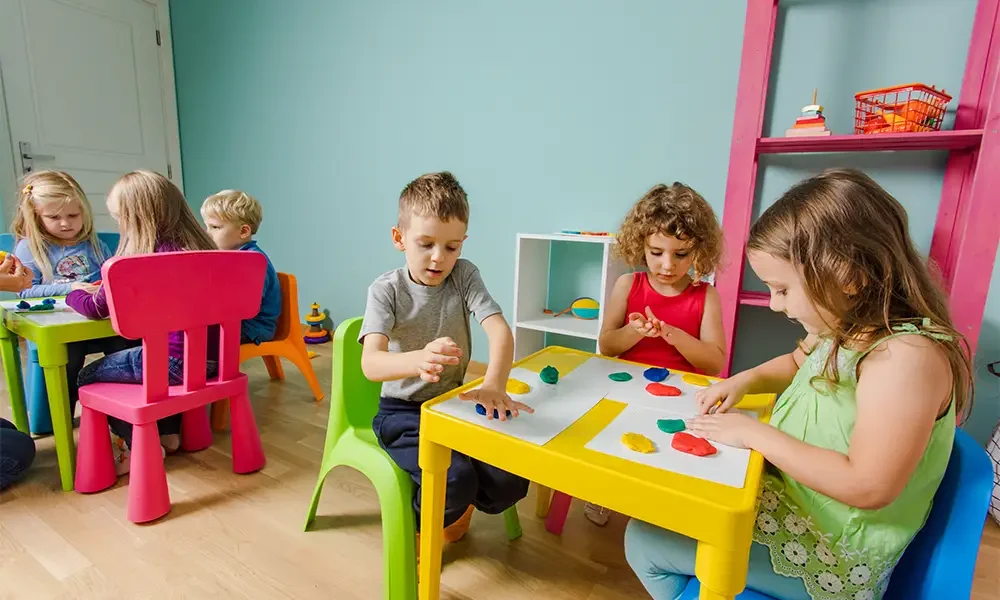
When it comes to finding the best daycare in Ryde, parents often feel overwhelmed. The decision is not just about finding a place that cares for your child; it’s about finding the right environment that promotes your child’s growth, safety, and well-being. With so many options available, how do you choose a day care centre that fits your needs?
In this guide, we’ll walk you through how to select the right daycare in Ryde, with specific advice on things like chronic medical condition management, which is an often-overlooked yet critical aspect of childcare. If you're feeling uncertain about your options, you're not alone. Parents often struggle with these decisions, so we’re here to help.
For more guidance and to get started, feel free to visit Creative Learning Preschool, your trusted choice in Ryde.
Understanding What Matters in a Daycare Centre
Before diving into the specifics of choosing a daycare, it’s essential to understand what truly matters when selecting a care facility. While some factors may seem obvious, others might not be as immediately noticeable but are crucial for your child’s development and safety.
What Should You Look for in a Daycare in Ryde?
The ideal daycare centre should offer a safe, nurturing environment that fosters growth and development. Here are the top priorities:
Qualified Staff
The staff should be well-trained in early childhood education and be familiar with child development stages. Look for centres where educators are passionate about teaching and have qualifications that align with the needs of young children.Appropriate Facilities
The daycare centre should have facilities that are secure and child-friendly. From child-sized furniture to secure entry points, safety is paramount. The centre should also have separate areas for different age groups to encourage age-appropriate activities.Curriculum and Learning Environment
A great daycare centre should provide both structured learning and free play. Look for a centre that integrates play-based learning, which is vital for early childhood development. This method allows children to explore, socialise, and develop problem-solving skills in a safe and creative setting.Hygiene and Cleanliness
Daycares should have high standards of cleanliness and hygiene. Ensure that the centre follows strict protocols to prevent the spread of illnesses, including regular cleaning of play areas, toys, and nap spaces.Emergency Procedures
It's essential that the centre has clear emergency procedures in place, particularly if your child has health conditions that might require urgent care. Ask about how the centre handles emergencies and whether they have qualified first-aid staff on site.
Managing Health and Chronic Diseases in Daycare Centres
One factor that many parents overlook when selecting a daycare is how well the centre manages chronic medical conditions. Whether your child has asthma, allergies, or a more complex condition, it’s crucial to ensure that daycare staff are equipped to handle these needs.
What is Chronic Medical Condition Management in Daycares?
Chronic medical condition management in daycares refers to how well the daycare centre accommodates children with long-term health conditions. This can range from ensuring that your child takes their medication on time to being able to respond effectively to an asthma attack or allergic reaction.
If your child has a chronic condition, ask potential daycares how they manage such issues. Here’s what you need to look for:
Staff Training: Ensure that staff are trained in dealing with specific conditions like asthma, diabetes, or severe allergies. They should know how to administer medications, recognise symptoms, and take appropriate action if needed.
Communication with Parents: A daycare that values communication will keep you informed about your child’s health and any incidents that may have occurred during the day.
Dietary Needs: If your child has food allergies, make sure the daycare centre is well-prepared to handle these dietary restrictions and that the meals provided are safe.
Medical Facilities: Some centres may be equipped to handle medical needs, like keeping an inhaler or epinephrine auto-injector on site. If not, ask about their plans for emergency medical care.
Questions to Ask When Visiting Daycares in Ryde
Visiting the centre before making a decision is critical. Here’s a list of essential questions to ask when you’re there:
How does the daycare handle children with chronic conditions?
What is the staff-to-child ratio? How does this affect the level of care each child receives?
Can I see the curriculum or daily schedule? How do they incorporate activities for children with special health needs?
What is the daycare’s policy on sick children? How do they manage contagious illnesses among kids?
How does the daycare handle communication with parents, especially in case of emergencies?
These questions will help you identify which daycare centres are equipped to offer the support and care your child needs.
The Cost Factor: What You Need to Know
The cost of daycare in Ryde can vary significantly depending on the type of centre, its location, and the services it offers. While some centres may have higher fees due to additional services like extended hours, specialised care, or advanced learning programs, others may offer more affordable options.
It’s essential to consider the value you’re getting for the price. A daycare that provides a safe, clean environment, skilled staff, and appropriate support for children with chronic diseases is worth the investment, especially when it contributes to your child's well-being and development.
Government Assistance for Daycare
Many parents wonder if they can receive government assistance for daycare costs. In Australia, the government offers various subsidies, such as the Child Care Subsidy (CCS), to help with the cost of daycare. Check if the centre is registered to offer these subsidies, which can significantly reduce your out-of-pocket expenses.
Understanding Your Daycare Needs
Not all daycares in Ryde are the same, and what works for one family may not be suitable for another. It’s important to understand your family’s needs, whether it’s flexibility in hours, a focus on health management, or specific learning styles. The daycare you choose should align with these needs.
Conclusion: Making the Right Choice
Choosing a daycare centre for your child in Ryde is a significant decision that requires careful consideration. From assessing the quality of staff and facilities to ensuring that chronic disease management is up to standard, you need to make an informed decision.
By asking the right questions and visiting several centres, you can find the perfect fit for your child’s needs. If you're ready to start the process, visit Creative Learning Preschool to learn more about our approach to childcare and chronic disease management. We’re here to help you provide your child with a nurturing, educational, and safe environment.
For more information or to arrange a tour, feel free to contact us.
FAQs
1. What should I look for when choosing a daycare in Ryde?
Look for a daycare with qualified staff, good facilities, a structured curriculum, and a clear policy on chronic disease management. Ensure the centre’s environment aligns with your child’s specific needs.
2. How much does daycare cost in Ryde?
The cost of daycare can vary based on the type of facility, location, and services offered. On average, parents can expect to pay between $80 and $150 per day.
3. How do I ensure a daycare handles my child’s chronic medical condition?
Ask about the daycare’s training for staff on medical condition management, their emergency response procedures, and how they communicate with parents about health issues.
4. Is government assistance available for daycare in Ryde?
Yes, the Australian government provides subsidies like the Child Care Subsidy (CCS) to assist with daycare costs. Check if the daycare is registered to offer these subsidies.
5. Can I visit a daycare centre before enrolling my child?
Yes, visiting the centre is highly recommended. It gives you the opportunity to ask questions, assess the facilities, and get a feel for the environment before making a decision.
